High resting heart rate: should you be worried?
Are you looking at your resting heart rate and it's higher than usual? This signal is often underestimated... yet it can be one of the best indicators of your recovery status.
A resting heart rate higher than your average can indicate that your body is under stress. But should you be worried? And more importantly, how should you react?
What is a high resting heart rate?
Resting heart rate is the number of times your heart beats per minute when you are at rest, usually upon waking.
What matters is not a "universal normal" value, but your personal average.
Most common causes
- lack of sleep,
- mental or physical stress,
- too intense or too frequent training,
- dehydration,
- onset of fatigue or illness.
When should you be worried?
A temporary increase is not worrying. But if your resting heart rate remains elevated for several days in a row, it's often a clear sign that your body has not recovered.
What to do concretely?
- improve your sleep,
- temporarily reduce the intensity of your sport,
- drink more water,
- avoid stimulants,
- observe the evolution over several days.
Why tracking this indicator changes everything
Resting heart rate is one of the simplest ways to know if your body is ready... or tired.
With daily monitoring, you can adapt your days and avoid accumulating fatigue.
The simplest way: automatic tracking
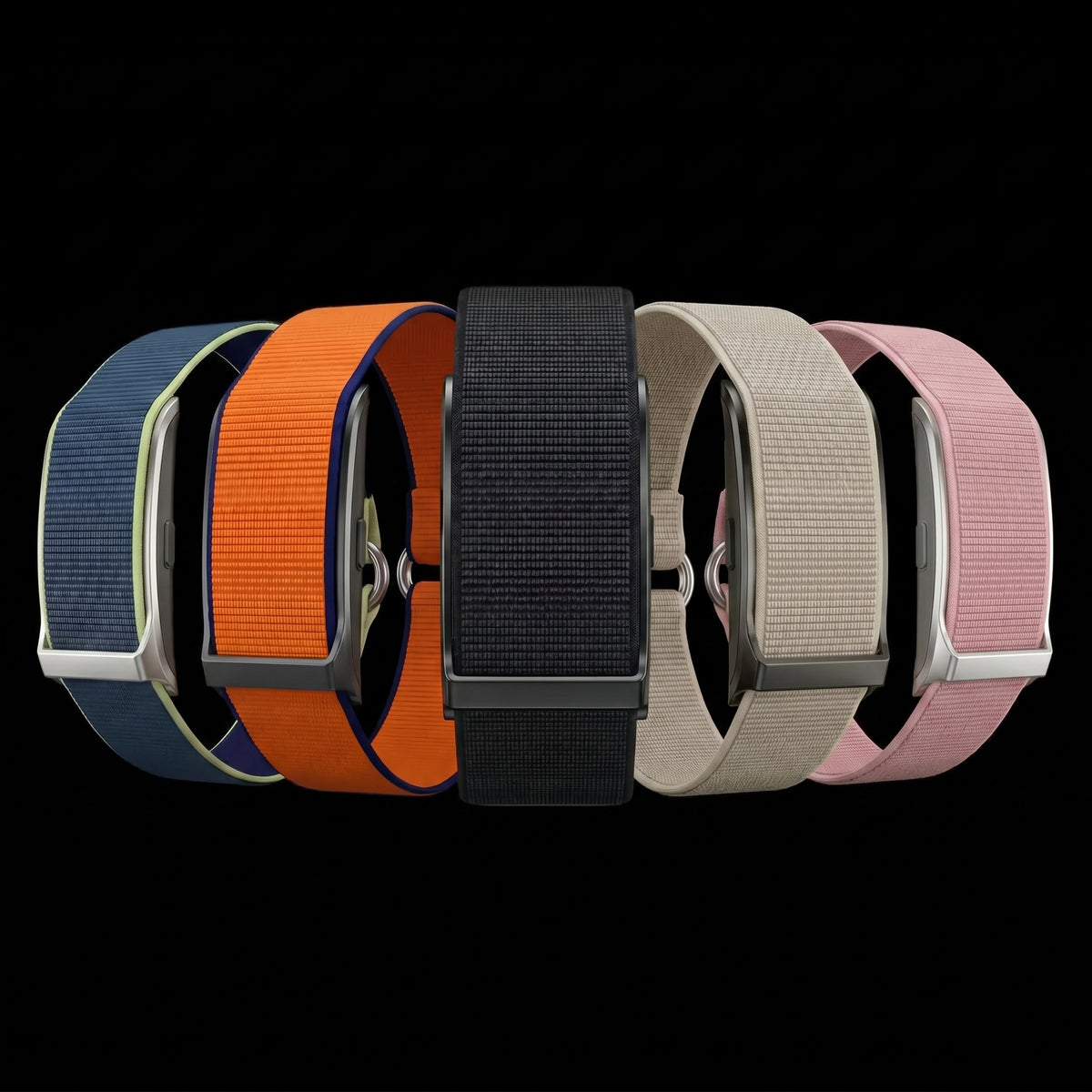
A tracker like OnPulse allows you to monitor your heart rate, sleep, and recovery effortlessly and without a subscription.
Track your recovery with OnPulse
<div class="dynamic-checkout__content" id="dynamic-checkout-cart" data-shopify="dynamic-checkout-cart"> <shopify-accelerated-checkout-cart wallet-configs="[{"supports_subs":true,"supports_def_opts":false,"name":"shop_pay","wallet_params":{"shopId":101926240593,"merchantName":"OnPulse","personalized":true}},{"supports_subs":true,"supports_def_opts":false,"name":"paypal","wallet_params":{"shopId":101926240593,"countryCode":"FR","merchantName":"OnPulse","phoneRequired":true,"companyRequired":false,"shippingType":"shipping","shopifyPaymentsEnabled":true,"hasManagedSellingPlanState":false,"requiresBillingAgreement":false,"merchantId":"4W86KNAPPD6LS","sdkUrl":"https://www.paypal.com/sdk/js?components=buttons\u0026commit=false\u0026currency=EUR\u0026locale=en_US\u0026client-id=AbasDhzlU0HbpiStJiN1KRJ_cNJJ7xYBip7JJoMO0GQpLi8ePNgdbLXkC7_KMeyTg8tnAKW4WKrh9qmf\u0026merchant-id=4W86KNAPPD6LS\u0026intent=authorize"}}]" access-token="462e0d4815c75bb85565d85766008e13" buyer-country="FR" buyer-locale="en" buyer-currency="EUR" shop-id="101926240593" cart-id="ee453b20006e97c2ab25c4eee4df21bc" enabled-flags="["a1d1f9a1"]" > <div class="wallet-button-wrapper"> <ul class='wallet-cart-grid wallet-cart-grid--skeleton' role="list" data-shopify-buttoncontainer="true"> <li data-testid='grid-cell' class='wallet-cart-button-container'><div class='wallet-cart-button wallet-cart-button__skeleton' role='button' disabled aria-hidden='true'> </div></li><li data-testid='grid-cell' class='wallet-cart-button-container'><div class='wallet-cart-button wallet-cart-button__skeleton' role='button' disabled aria-hidden='true'> </div></li> </ul> </div> </shopify-accelerated-checkout-cart> </div>